


Lajmet
Edhe Evropa Lindore ka nevojë për fuqi punëtore
As Evropa Lindore nuk mund të funksionojë pa punëtorë të huaj.


Vendi
Inovacionet farmaceutike dhe kërkimet e avancuara shkencore në Konferencën Ndërkombëtare të UBT-së

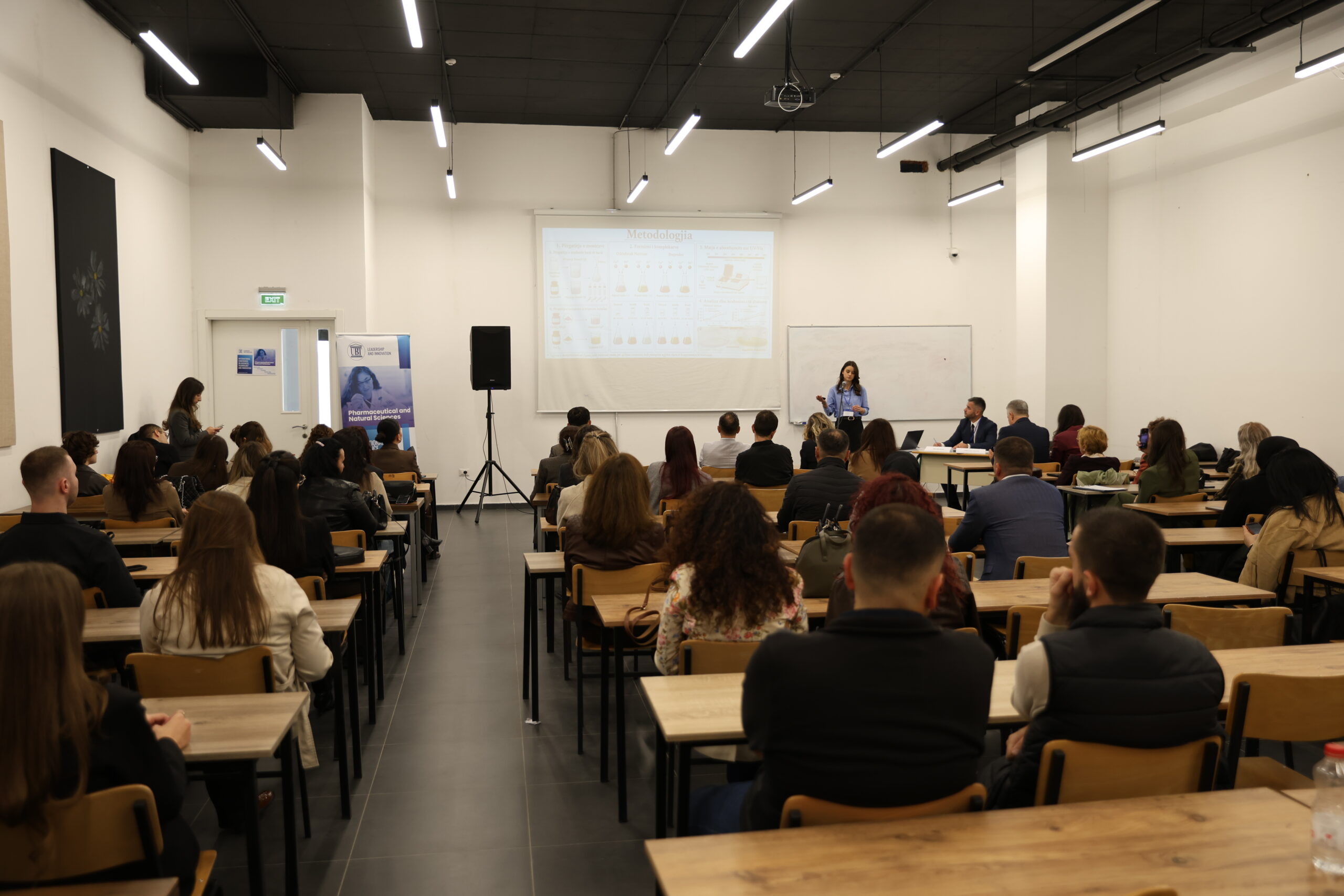
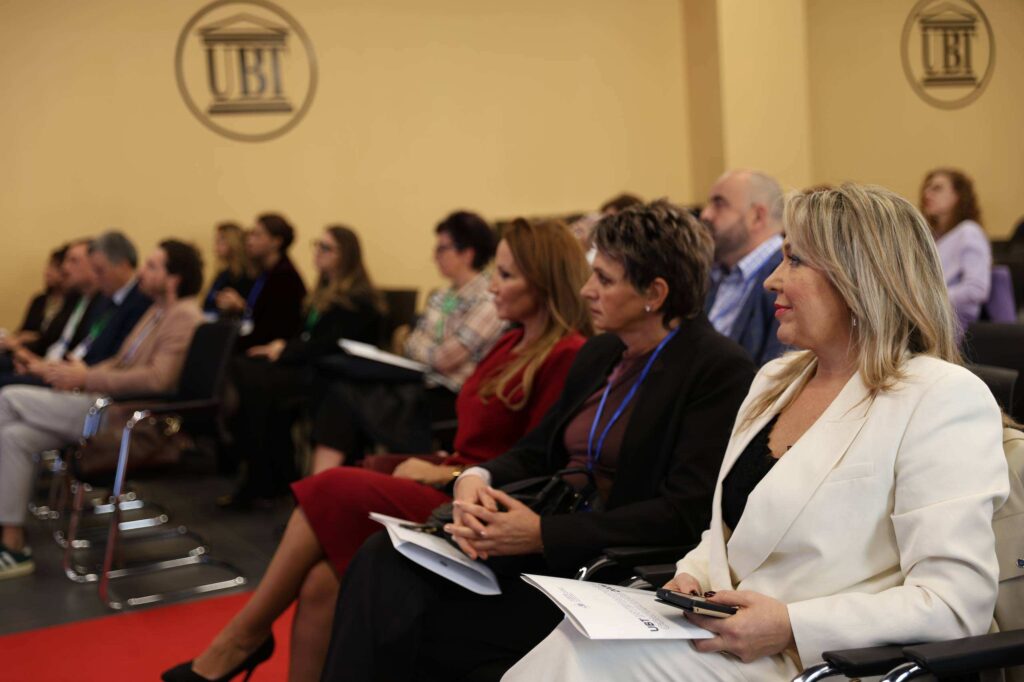
Në kuadër të Konferencës Ndërkombëtare të UBT-së, edicioni i 16-të për Shkenca Farmaceutike dhe Natyrore (IC-PNS 2026) ka mbledhur në Kampusin e UBT-së hulumtues dhe ekspertë të shquar të kësaj fushe.
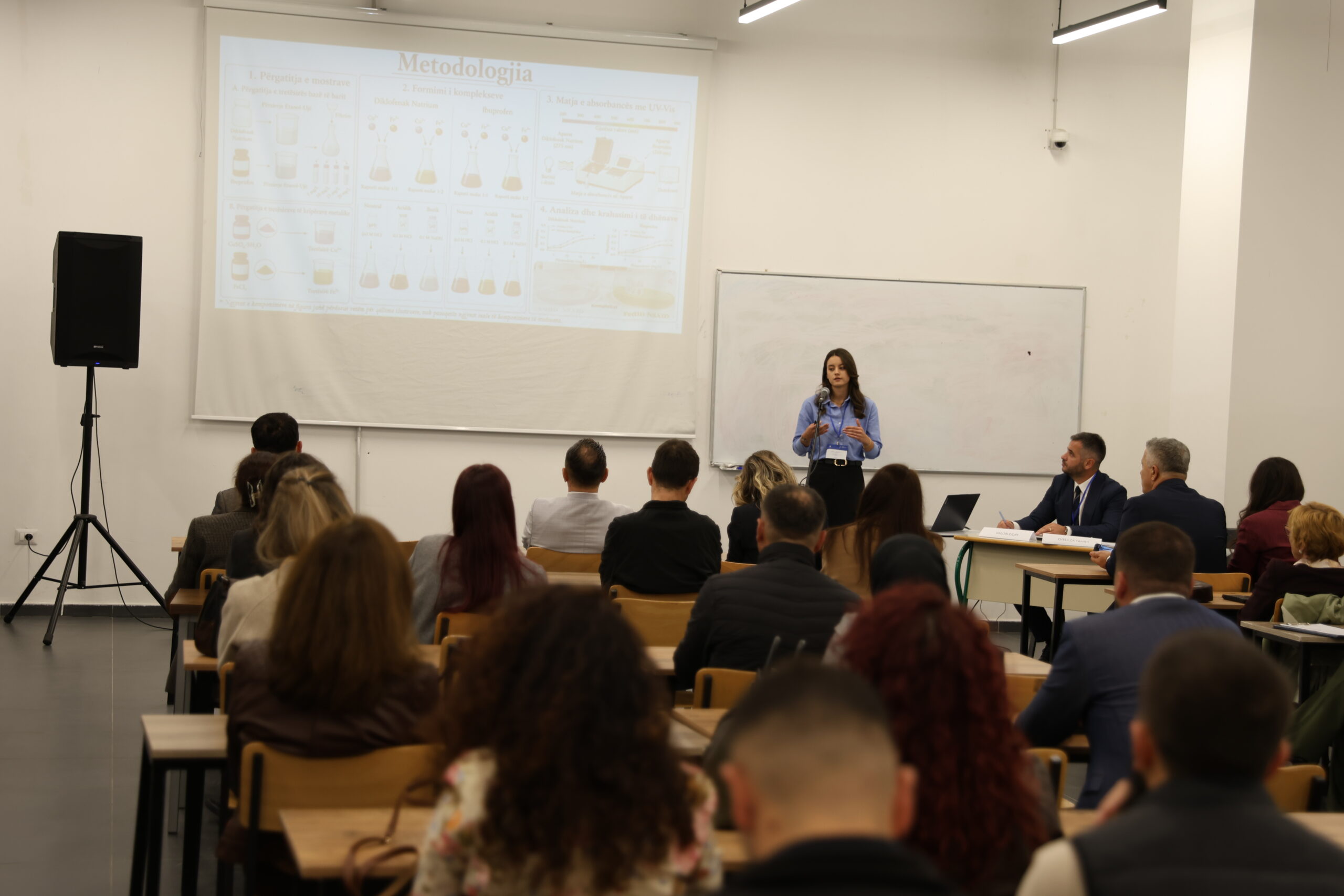
Në kuadër të kësaj ngjarjeje, pjesëmarrësit po trajtojnë zhvillimet më të fundit në hulumtimet kimike, terapitë e avancuara, mjekësinë e personalizuar dhe ndikimin e faktorëve mjedisorë e shëndetësorë në shkencat natyrore.
Në vijim janë prezantuar punimet e hulumtuesve me temat e tyre përkatëse:
- Bujar Qazimi – Chemical profiling of leaves and flowers of Rosmarinus officinalis by LC-DAD-ESI-MS method
- Elsa Hoti – Off-Label Drug Use: A Comparative Review of Regulatory Approaches
- Gentiana Balaj – Chemical Structure Profiles of Cardiovascular Drugs Used Among Hypertensive Patients
- Erza Berisha – UV-Vis Spectrophotometric Assessment of Metal-NSAID Interactions: A Study with Iron(III) and Copper(II)
- Leonida Gashi – Glycemic Control and Its Determinants Among Patients with Diabetes Mellitus in Kosovo: A Cross-Sectional Study
- Rina Hasani – Assessment of the Health Impacts of Environmental Pollution from KEK Activities on the Population of Obiliq Municipality
- Rina Nexhipi – Hematological and Metabolic Effects of Azithromycin Administration in Adult Mus musculus
- Gresa Halimi Syla – Bioisosteric Replacement and Its Applications in Drug Design and Development
- Rrona Mallaki – Effects of Curcumin in Doxorubicin-Treated Mus musculus Mice
- Dafina Krasniqi Hoxha – Herb-Drug Interactions in Primary Healthcare: Mechanisms, Clinical Significance, and the Pharmacist’s Role
- Reita Muharremi – Personalized Medicine: Future Perspectives in the Treatment of Rare Genetic Diseases
- Elsa Qenaj – Joubert Syndrome: A Rare Genetic Ciliopathy—Epidemiology, Molecular Pathogenesis, and Therapeutic Perspectives
- Olta Shehu – Mucopolysaccharidoses: Molecular Basis, Clinical Spectrum, and Therapeutic Perspectives with Focus on Type I and III
- Anjeza Temaj – Ribosome-Targeted Therapeutic Strategies for Severe Junctional Epidermolysis Bullosa and Other Genetic Diseases: From PTC Readthrough to Selective Ribosomal Editing
- Shkumbin Hamza – From Monogenic to Polygenic Obesity: Genomic Insights, Cardiometabolic Comorbidities, and the Role of Vitamin D in Pediatric Respiratory Health
- Yllka Gashi – Consanguinity, Rare Autosomal Recessive Disorders, and Ciliopathies in Southeast Europe: Genetic Architecture, Clinical Spectra, and Implications for Diagnosis and Counseling
- Mendor Xharra – Ribosome Dynamics, p53 Signaling, and Polyploid Giant Cancer Cells: Emerging Therapeutic Targets in Oncology and Genetic Disease
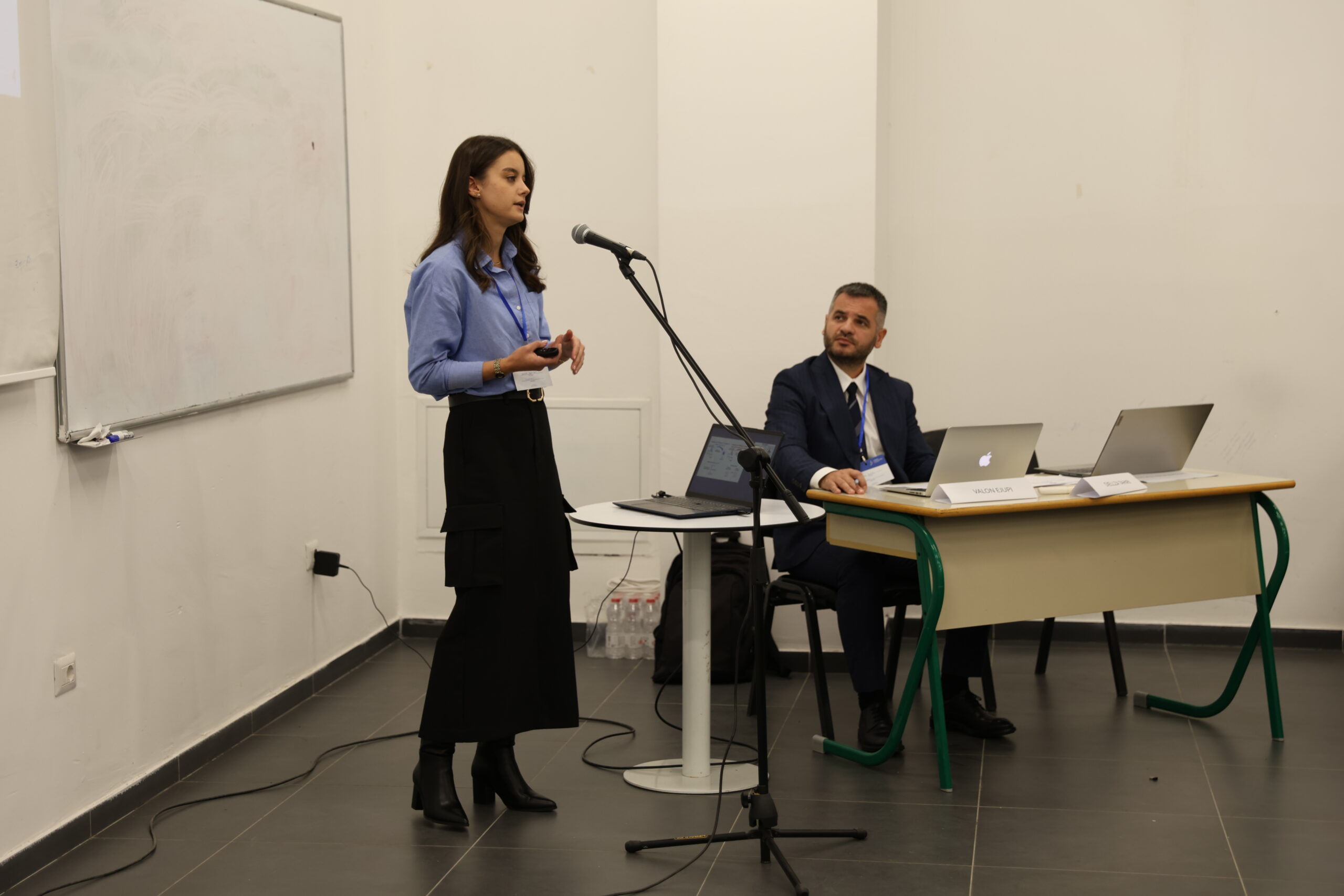
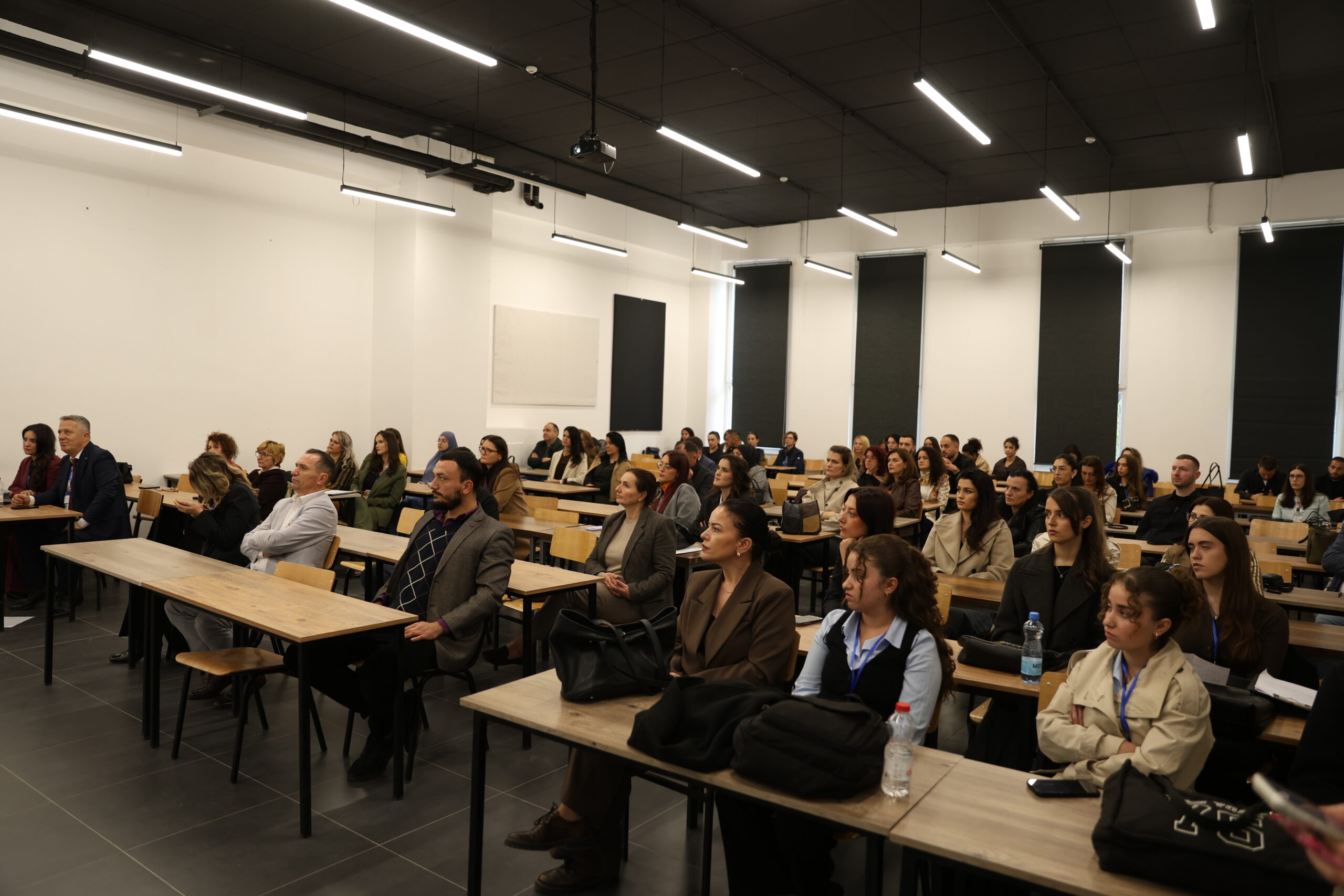
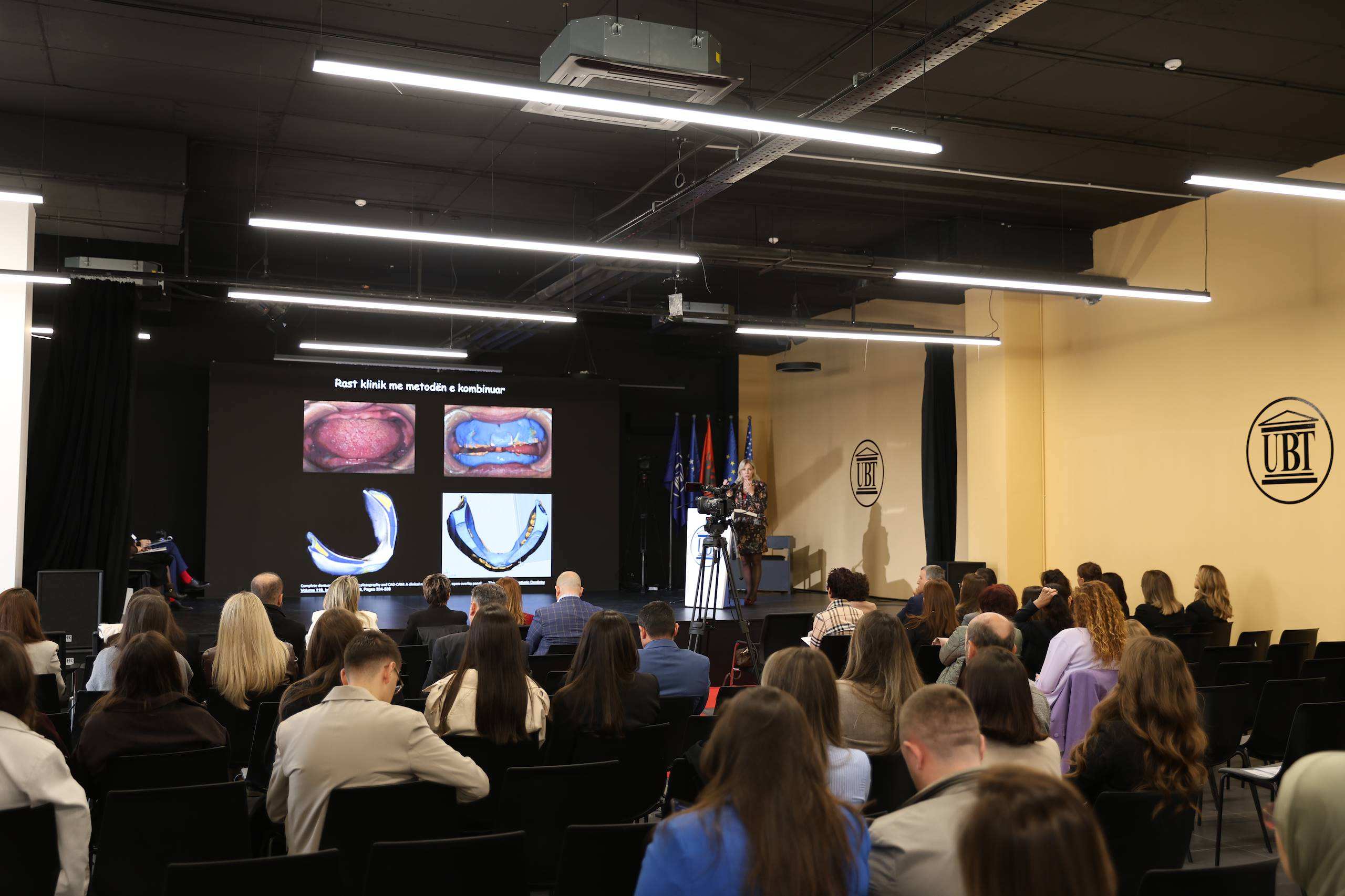
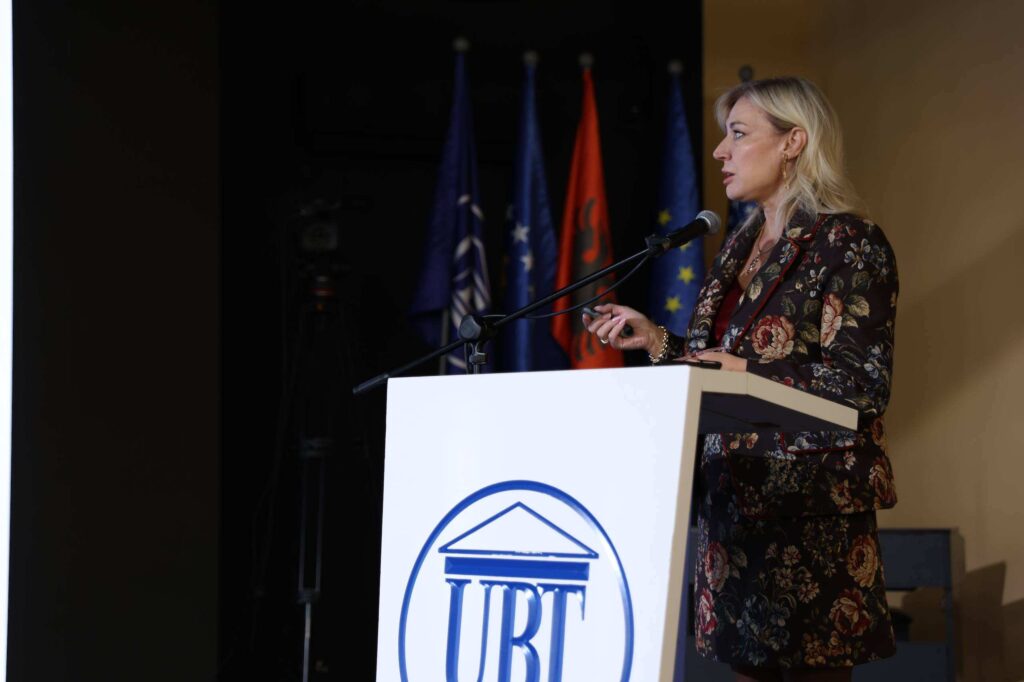
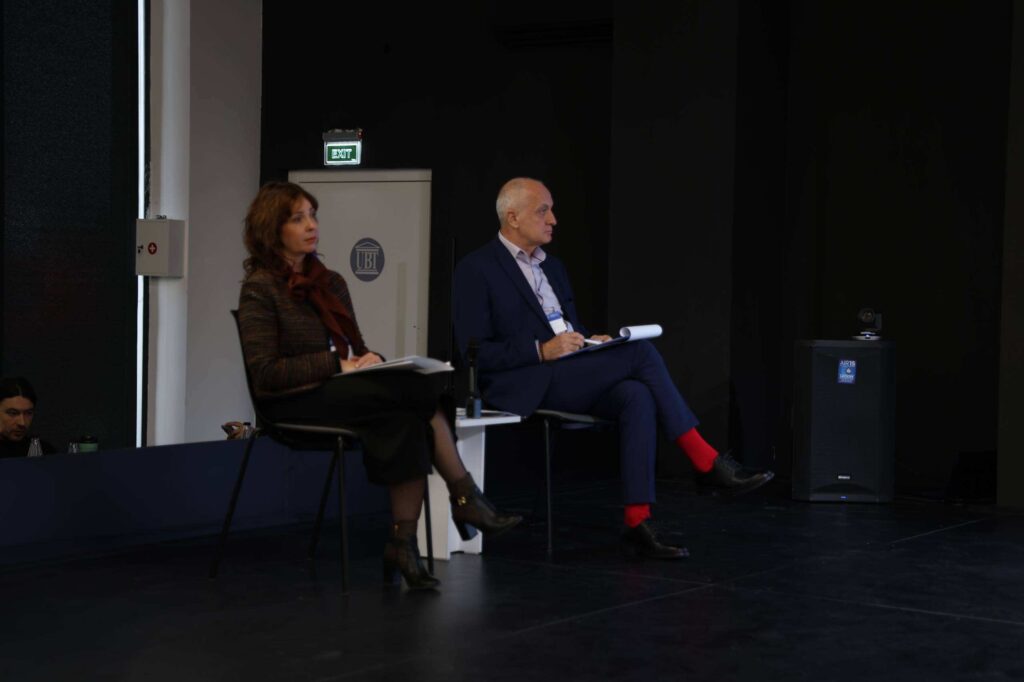
Në kuadër të Konferencës Ndërkombëtare të UBT-së, edicioni i 15-të ka sjellc në vëmendje sesionet e shkencave dentare (IC-DS 2026), të cilat po zhvillohen në Kampusin e UBT-së në Lipjan.
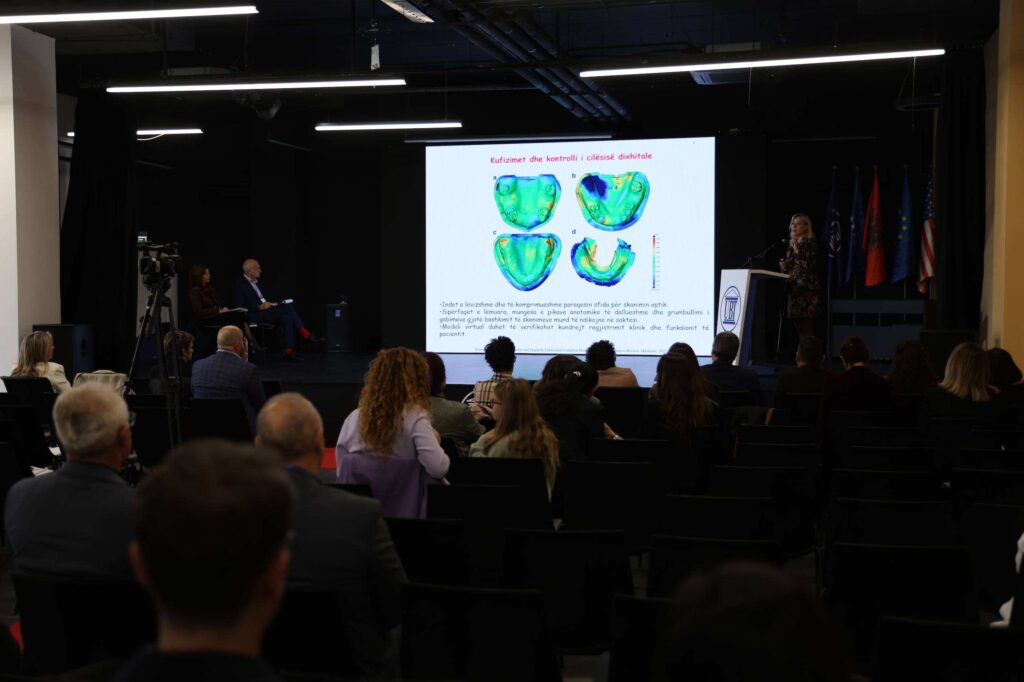
Në kuadër të kësaj ngjarjeje, ekspertë dhe hulumtues të shquar po trajtojnë zhvillimet më të fundit në stomatologjinë dixhitale, implantologji, ortodonci dhe praktikat e avancuara klinike. Një element i rëndësishëm i këtij edicioni është akreditimi i konferencës nga Oda e Stomatologëve të Kosovës dhe Oda e Infermierëve të Kosovës, çka i jep një vlerë të shtuar profesionale dhe akademike punimeve të prezantuara.
Në vijim janë prezantuar punimet e hulumtuesve me temat e tyre përkatëse:
- Edit Xhajanka – Digital Assessment of Functional Neutral Bite in Total Dentures
- Alexandra Osan – Beyond Straight Teeth: Orthodontics in Functional Multidisciplinary Treatment with Periodontics, Implants, and Prosthetics in the Digital Era
- Teuta Pustina, Besir Salihu, Miranda Stavileci & Jacques Véronneau – Effect of Different Concentrations of Zirconium-Based Toothpaste on Tooth Shade Improvement: An In Vitro Study
- Mohamed Nasreddine – From Diagnosis to Implant Placement: The Digital Workflow in Contemporary Dentistry
- Naser Rugova & Shqipe Hyseni Buleshkaj – Strengthening Oral Public Health Through Allied Dental Professionals: The Contribution of Dental Assistants, Dental Hygienists and Dental Technicians
- Rina Demjaha, Genc Demjaha, Nora Kursani Demjaha, Leotrim Grulaj, Irena Bekqeli, Nina Jevriq & Lis Iberdemaj – The Impact of Dental Prostheses on the Onset and Management of Trigeminal Neuralgia: A Comprehensive Literature Review
- Fatbardha Mustafa – Space Closure with Aligners, Direct and Indirect Printing Methods
- Almedin Berisha – Perfect Radiographs but Unsuccessful Outcomes: Have We Underestimated Root Canal Irrigation?
- Dukagjin Sokoli, Urim Tefiku, Jeta Kubati, Vjosa Hamiti, Merita Barani, Teuta Komoni & Blerta Sadiku – Conservative multidisciplinary management and prosthetic use of an impacted mandibular canine with suspected rediculomegaly in a 63 years old patient: case report
- Kaltrina Veseli & Fehim Haliti – 3D Analysis of Facial Anthropometric Parameters in children aged 6-9 years with Malocclusions
- Behrije Halilaj Vishi & Belinë Vishi – Sterilization and Infection Control in Dentistry – A Literature Review
- Adea Karakashi & Vjosa Hamiti-Krasniqi – Medication-Related Osteonecrosis of the Jaw Following Tooth Extraction: The Importance of Identifying Antiresorptive Therapy
- Festina Balaj & Aida Rexhepi Namani – Early Loss of Primary Teeth: Functional and Psychosocial Implications in Children- A Literature Review
- Vesel Rrustemaj – The Role of Oral Habits in Occlusal Characteristics and Early Childhood Caries among Children Aged 3-6 Years in Pristina
- Rexhep Gjyliqi & Lirak Gjyliqi – Dental Anesthesia: Local Anesthetic Systemic Toxicity (LAST) and Emergency Management
- Ardiana Hajdari & Arsim Hajdari – The Role of Physiotherapy in the Management of Temporomandibular Disorders: A Narrative Review
- Floriana Kroni & Shqipe Hyseni Buleshkaj – Technological innovations in the fabrication of endocrowns
- Agim Prokshaj & Belinë Vishi – Space Maintainers: Small Devices, Big Impact
- Miranda Sejdiu Abazi, Anila Alidema, Agim Prokshaj, Blertë Zylfiu Latifi, Shpëtim Prokshaj & Tetore Olloni – Cephalometric Characteristics of Skeletal Class III Malocclusion and Their Role in Treatment Planning – a Retrospective Study
- Arta Gjikolli, Teuta Komoni, Vlora Berisha, Dugagjin Sokoli, Genc Demjaha & Burim Kiseri – 25 Indications, 25 Contraindications: Rethinking Patient Selection for Fixed Dental Bridges
Vendi
Konferenca e Inxhinierisë së Ndërtimit në UBT trajton tema nga siguria strukturore dhe menaxhimi i projekteve deri te infrastruktura, mjedisi dhe zhvillimi i qëndrueshëm
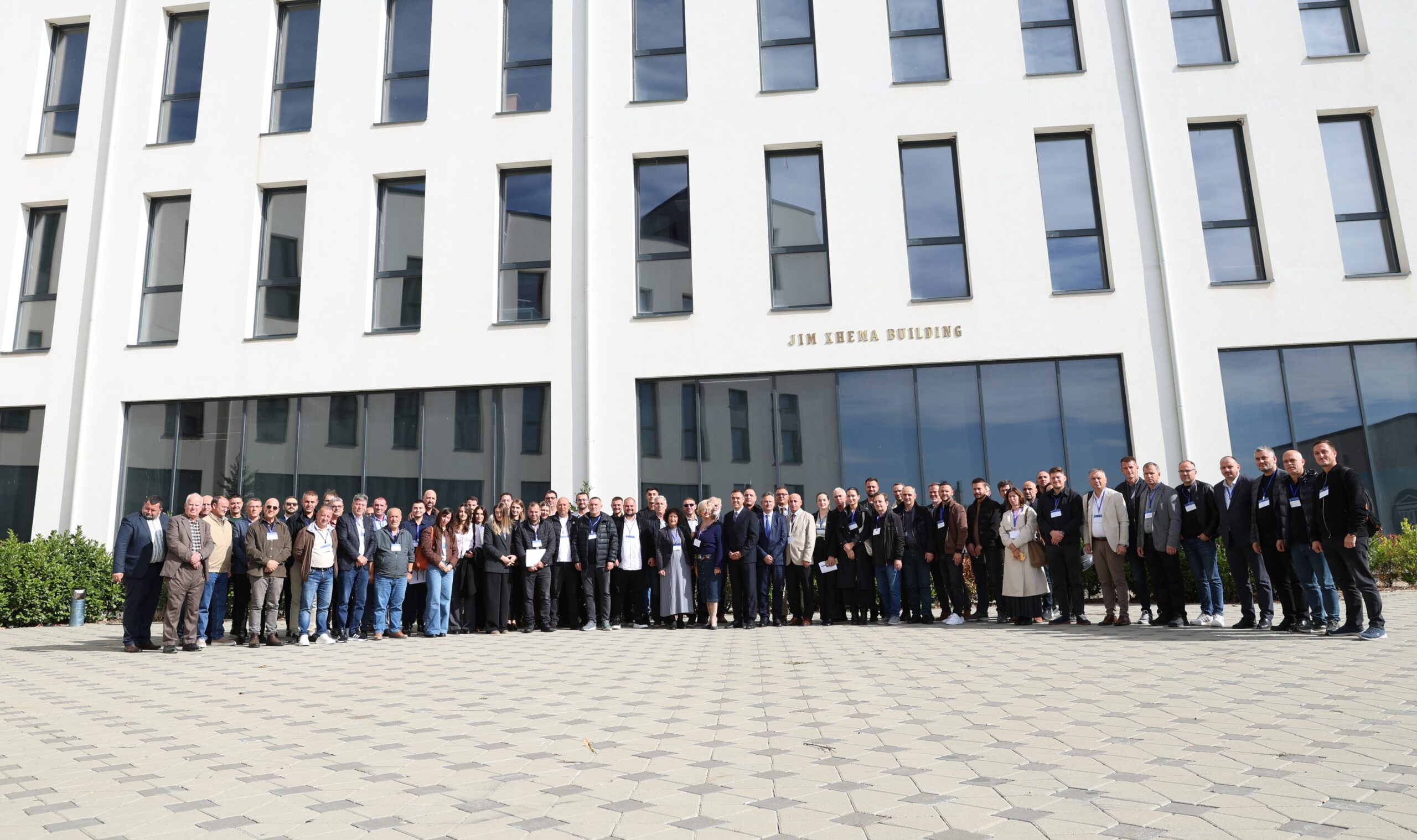
Konferenca Ndërkombëtare e Inxhinierisë së Ndërtimit përfaqëson një platformë të rëndësishme shkencore për prezantimin e hulumtimeve, shkëmbimin e përvojave profesionale dhe diskutimin e zhvillimeve të fundit në fushën e inxhinierisë së ndërtimit. Konferenca bashkon studiues, profesorë, inxhinierë dhe profesionistë nga fusha të ndryshme, duke trajtuar tema që lidhen me projektimin dhe analizën strukturore, sigurinë sizmike, materialet bashkëkohore të ndërtimit, menaxhimin e projekteve, infrastrukturën rrugore, burimet ujore dhe mbrojtjen e mjedisit.
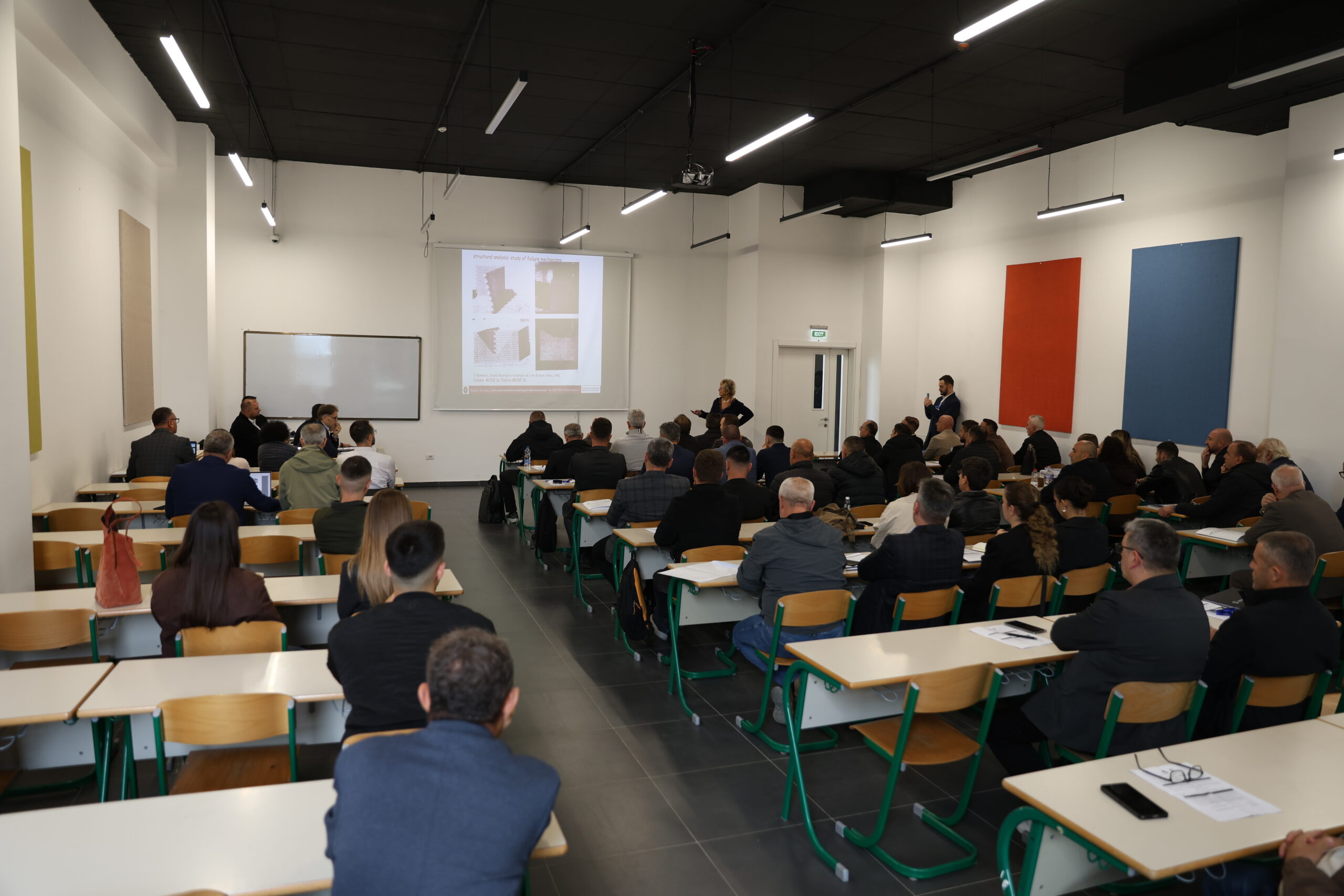
Përmes prezantimeve shkencore dhe diskutimeve profesionale, IC-CEIE 2026 synon të nxisë bashkëpunimin ndërmjet institucioneve akademike dhe sektorit të ndërtimit, si dhe të kontribuojë në zhvillimin e zgjidhjeve inovative, të qëndrueshme dhe efikase për sfidat aktuale të industrisë. Programi i konferencës është organizuar në katër sesione tematike, të cilat përfshijnë kërkime mbi inxhinierinë strukturore, menaxhimin dhe sigurinë në ndërtim, inxhinierinë gjeoteknike dhe mjedisore, si dhe transportin dhe infrastrukturën rrugore.
Sesioni i parë
Chair: Visar Krelani
Co-Chair: Marco Pingaro
- On the Homogenization of Random Composite Materials: A Fast Statistical Homogenization Procedure (FSHP) – Marco Pingaro dhe Patrizia Trovalusci.
- Stochastic Geometry-Based Assessment of the Influence of Randomized Internal Masonry Texture on Pier Stability – Bledian Nela, Marco Pingaro dhe Patrizia Trovalusci.
- The Structural Role of Horizontal, Vertical, and Diagonal Timber Ties (Hatllat) in Traditional Adobe Buildings – Alush Shala, Teuta Imeri dhe Leoart Shala.
- Seismic Retrofitting of Existing RC Structures: A Comparative Study of FRP Wrapping and RC Jacketing under Eurocode 8 – Fatih Erguler dhe Bledian Nela.
- Study of the Seismic Behavior of Masonry Infill Walls: A Case Study – Blendi Ethemi dhe Bledian Nela.
- Hebraic Cultural Center in Prizren: Structural Conservation and Interventions – Getoar Zogu.
- Selection of Rehabilitation and Maintenance Systems for Reinforced Concrete Bridges – Naser Morina dhe Blertë Retkoceri.
- From Taylor Series to Pile Foundations Axial Displacements – Feti Selmani.
- Carbon Fibers – The Material of the Future – Mehmet Beka dhe Naser Morina.
- Simplified Moment–Curvature Analysis of a GFRP Reinforced Concrete Beam – Xhemshir Mulliqi.
- Linearized Regression Model for Estimating the Flexural Capacity and Deformability of GFRP Reinforced Concrete Beams – Xhemshir Mulliqi.
- Influence of Load Level and Loading Frequency on the Fatigue Degradation of an Eccentrically Compressed Reinforced Concrete Bridge Column – Florim Istrefi.
- Parametric Fatigue Assessment of a Welded K Joint in an Idealized Tower Crane Jib – Florim Istrefi.
- Structural Interface Systems for Energy Efficiency, Comfort and Construction Productivity: International Practice and Relevance for Kosova – Mazllum Kamberi.
- Experimental Analysis of the Effect of Fiber Orientation on the Mechanical Behavior of Prismatic and Slab Elements – Diellza Vishi, Pedro Serna Ros dhe Visar Krelani.
- Durability Performance of Cracked Concrete with Epoxy-Protected Steel – Leart Shabani, Pedro Serna Ros dhe Visar Krelani.
Sesioni i dytë
Chair: Muhamet Ahmeti
- The Main Factors Affecting the Limestone Calcination Process in a Vertical Twin-Shaft Kiln: A Case Study of the Tekno–Konstrukt Lime Factory, Kosovo – Ragip Behrami, Naim Hajdini, Hysen Ahmeti, Ilir Hetemi dhe Ermal Osaj.
- Statistical Characterization of Earthquake Occurrence in the Dukagjin Seismic Zone, Northwestern–Western–Southwestern Kosovo: Magnitude of Completeness and Frequency–Magnitude Parameters – Shemsi Mustafa, Visar Krelani, Bekim Selimi dhe Hazir Çadraku.
- Occupational Safety and Health Protection in Kosovo: A Comparative Analysis with Regional Countries – Muhamet Ahmeti dhe Arberesha Kastrati.
- The Impact of Occupational Safety Protection on Dynamic Construction Project Execution: Kosovo and Regional Perspectives – Arberesha Kastrati dhe Muhamet Ahmeti.
- Emergency Contract Administration and Technical Valuation under FIDIC Conditions: Reconstruction of the Damaged Aqueduct at Segment PAK1.2 (Ibër-Lepenc Canal) – Zyber Gaga.
- Management of the Construction of Affordable and Social Housing Buildings in Kosova – Rame Hamzaj.
- Maintenance Management and Renovation of the School Building “Fehmi Lladrovci” in Drenas – Shqipdon Zariqi.
- Risk Management and Analysis in Construction Investments in Kosovo – Denis Cana dhe Visar Hoxha.
- Construction Project Management: Strategies for Effective Planning and Implementation – Zenel Gashi.
Sesioni i tretë
Chair: Skender Bublaku
Co-Chair: Hazir Çadraku
- Racing the Drawdown: Coupled Unsaturated Flow–Stability Response of Embankment Dams to Rapid Reservoir Level Changes – Amir Ghaderi, Saeed Hatamzadeh dhe Hossein Mohammadnezhad.
- Measurement of Corrosivity Index of Groundwater in the Magurë Area Using Langelier Saturation, Ryznar Stability, Puckorius Scaling, Aggressiveness and Larson–Skold Indices – Hazir Çadraku dhe Arjan Beqiraj.
- Biological Wastewater Treatment Options for Kosovo – Skender Bublaku, Blertë Retkoceri dhe Nafije Kadriu.
- Management of Asbestos-Containing Materials after Demolition: A Case Study of Ulpiana, Prishtina – Pajtim Ukaj dhe Anjeza Alaj.
- From a Linear System towards a Circular Economy through Waste Valorization – Fatbardhë Kurti, Anjeza Alaj, Florije Tahiri dhe Besijanë Kurti.
- Managerial and Operational Aspects of Wastewater Treatment Plant Construction and Operation: The Case of Peja, Kosovo – Kreshnik Gjata dhe Anjeza Alaj.
- Harnessing Hydropower Potential: HPP 104 in Dobrosht, Tetovo – Kushtrim Asani dhe Ilir Abdullahu.
- Options for the Utilization of Water Resources from the Llap River – Arbër Balaj.
Sesioni i katërt
Chair: Nol Dedaj
Co-Chair: Bekim Selimi
- Traffic Risk Assessment from the Driver’s Perspective Using AI: A Case Study of the City of Prishtina – Visar Baxhuku.
- Design and Analysis of Integrated Water Infrastructure for the Sunlight Home Residential Development in Zllatar, Prishtina – Baton Nura dhe Ilir Abdullahu.
- Safety Audit of Road Infrastructure Elements During the Reconstruction of Skënderbeu Street in Podujevë – Dorina Bajramaj Asani dhe Nol Dedaj.
- Analysis and Conceptual Design of a New Interchange on the R6 “Arbën Xhaferi” Motorway, North of Ferizaj – Aurela Gjoshi dhe Bekim Selimi.
- Analysis of Road Pavement Structure and Road Safety Audit of the R129 Regional Road, Mitrovicë–Podujevë – Fisnik Ibrahimi.
- Soil Liquefaction Risk Assessment Using SPT Tests and Liquefaction Potential Index (PLI) – autorët nuk janë specifikuar në materialin e dërguar.
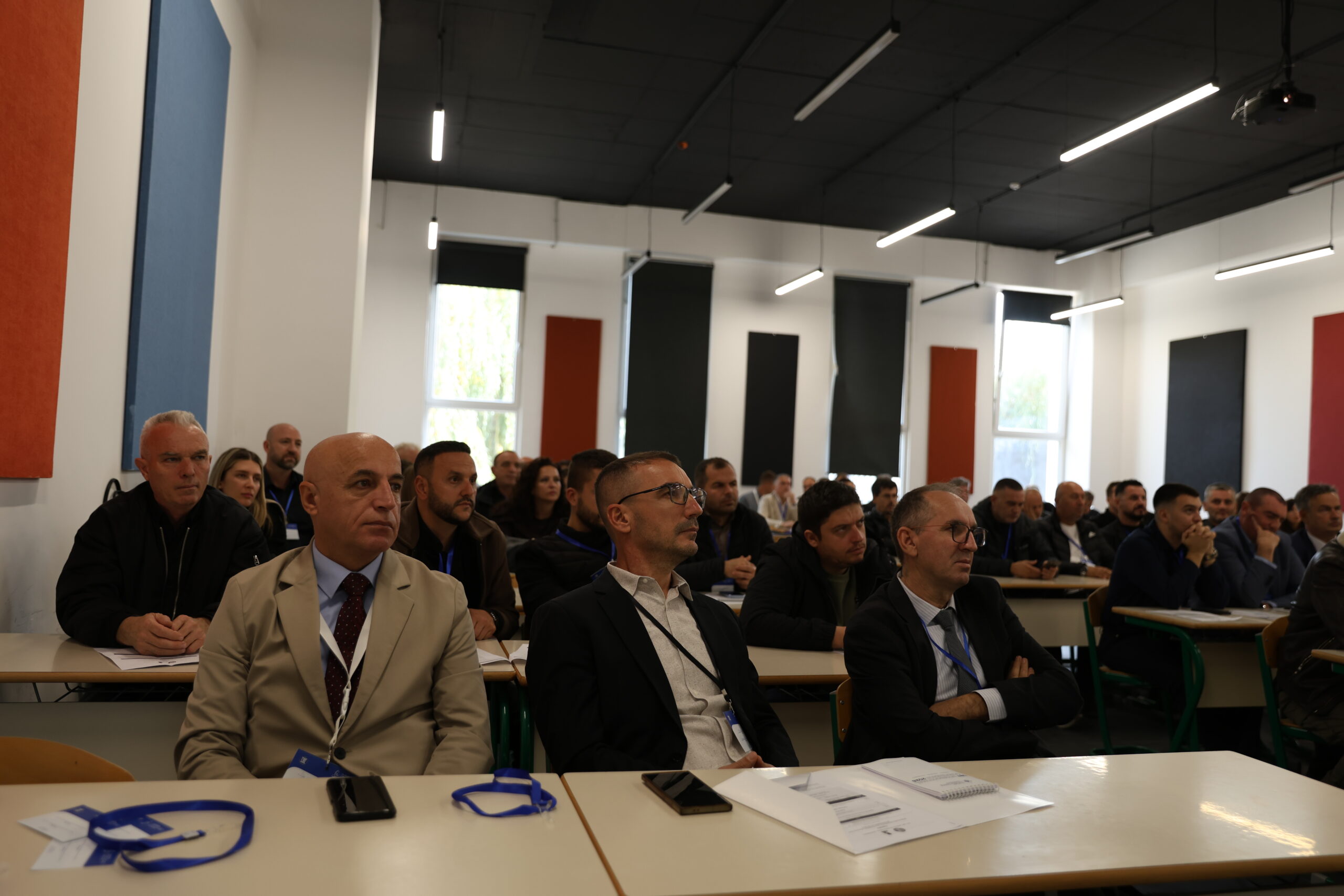
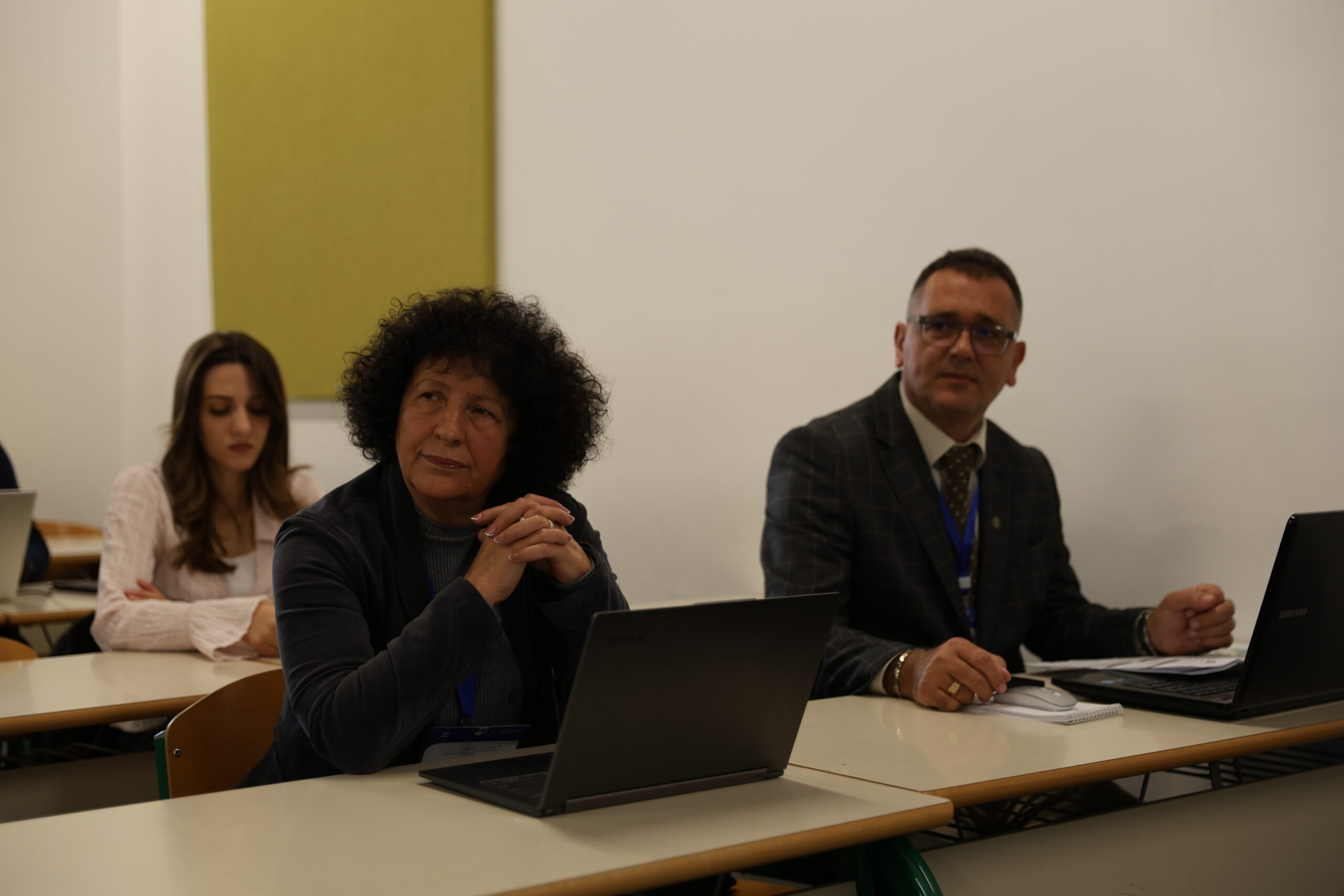
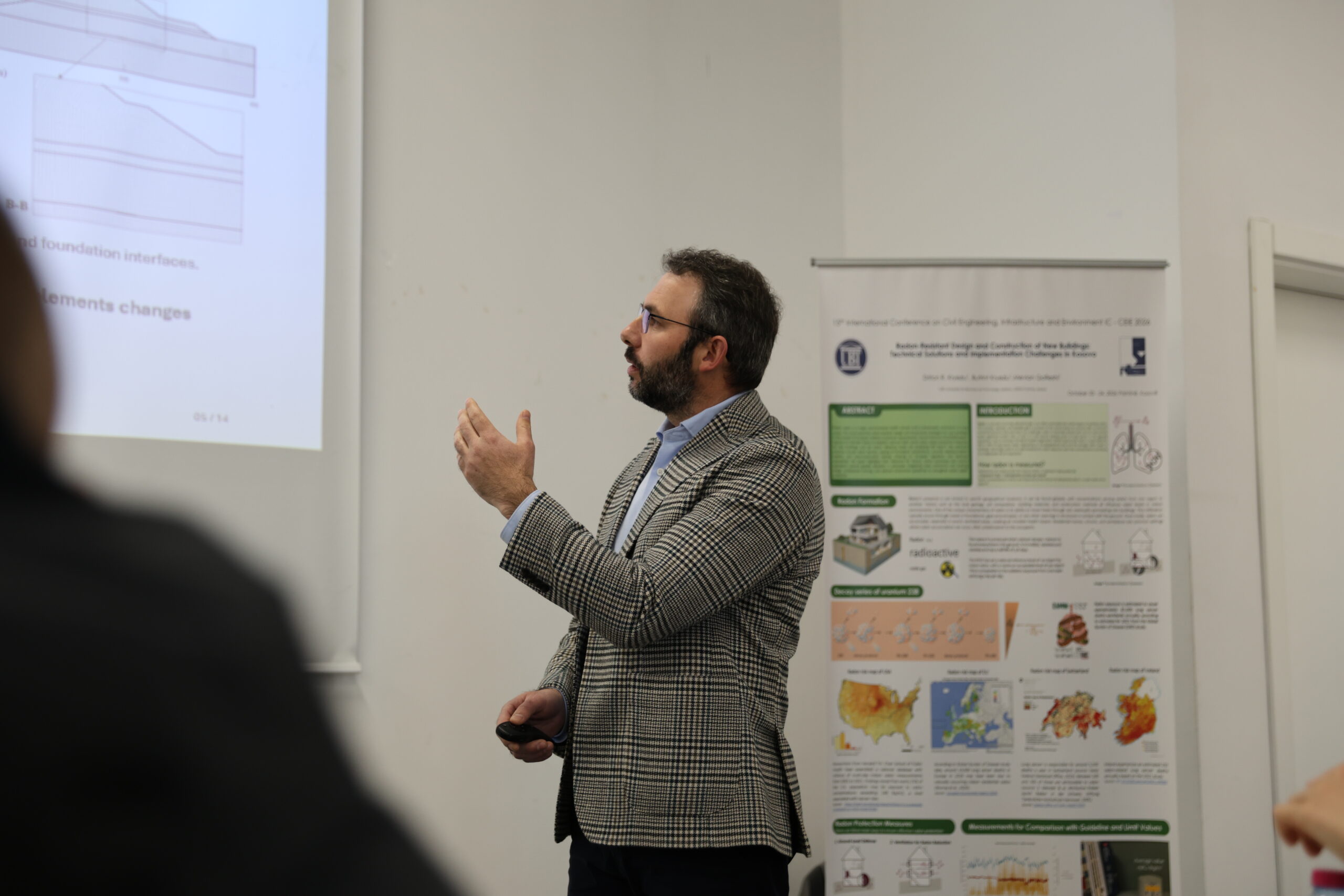
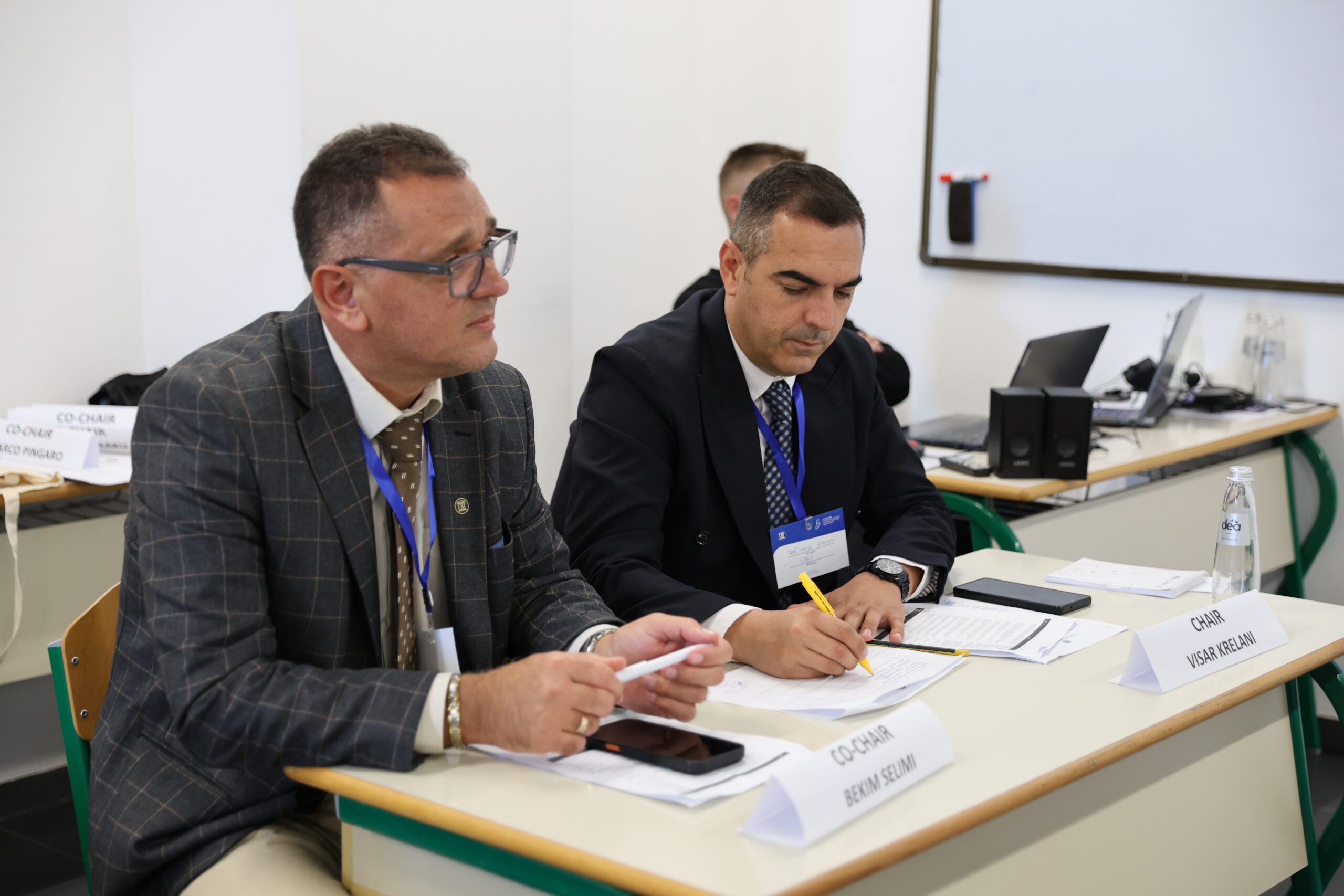
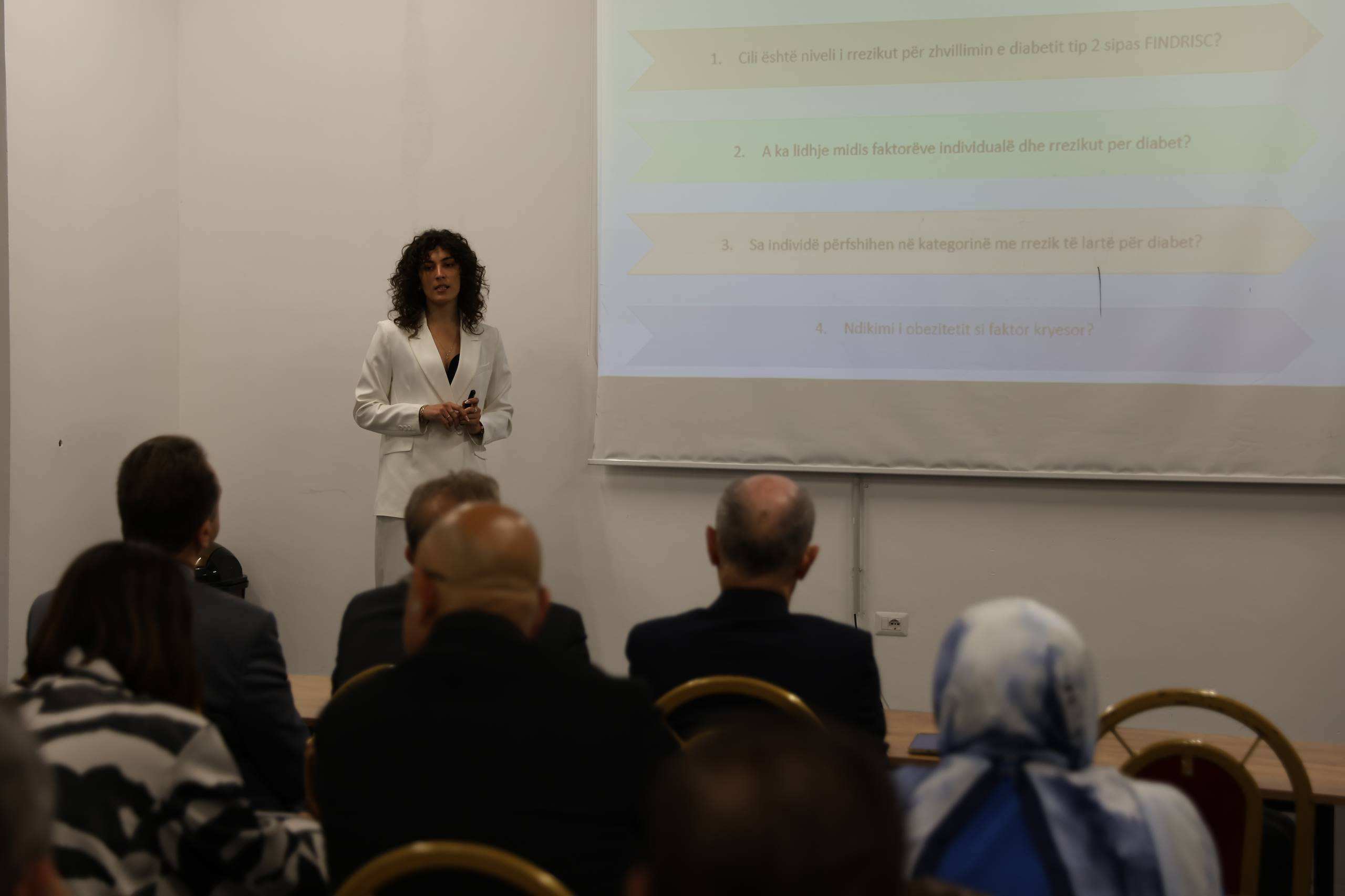
Në kuadër të edicionin të 15-të të Konferencës Ndërkombëtare Shkencore të UBT-së, u mbajt Konferenca Ndërkombëtare për Mjekësi, Infermieri dhe Shkencat Teknike Mjekësore.
Kjo ngjarje mblodhi ekspertë, studiues dhe profesionistë të shëndetësisë për të diskutuar sfidat aktuale, hulumtimet shkencore dhe zhvillimet e reja në fushën e mjekësisë dhe kujdesit shëndetësor. Vlen të theksohet se kjo konferencë është e licencuar nga Oda e Mjekëve të Kosovës, duke i dhënë një peshë dhe vlerë edhe më të madhe profesionale dhe akademike.
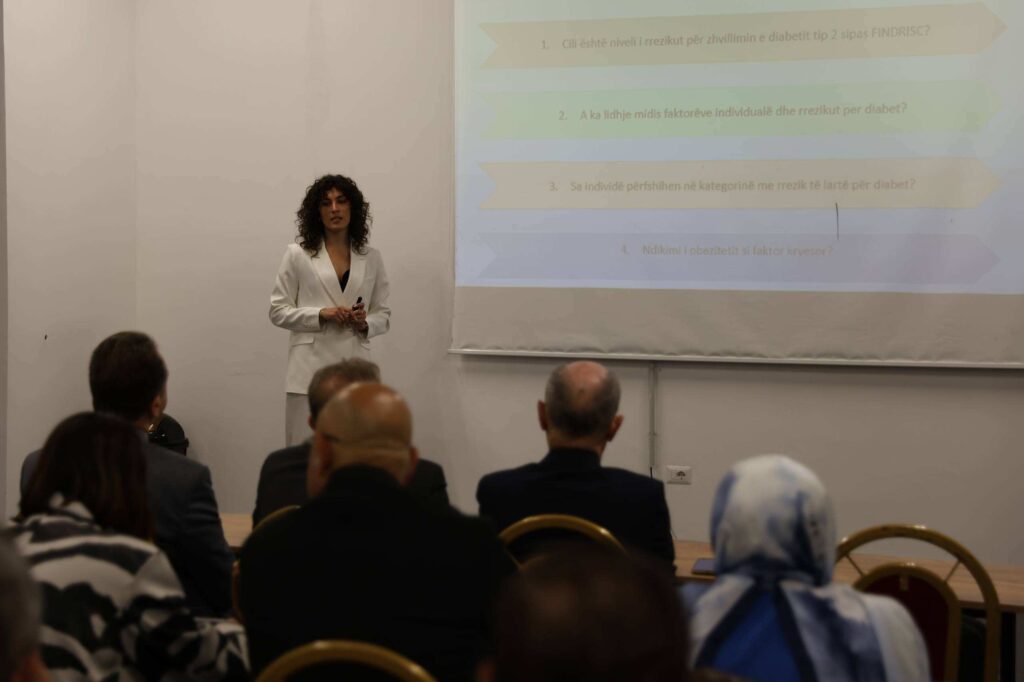
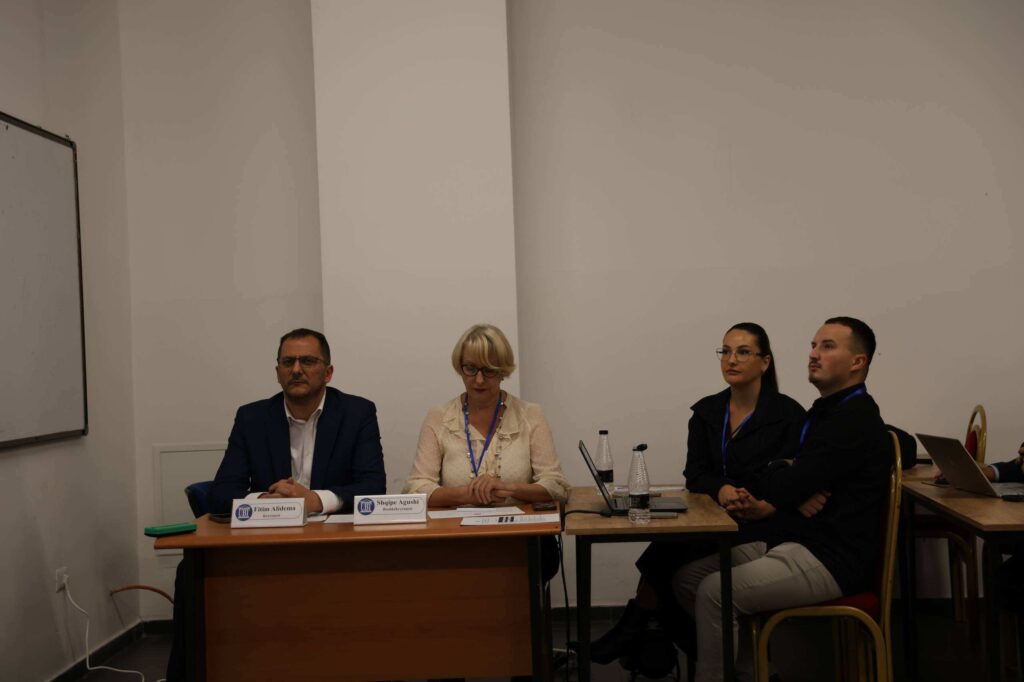
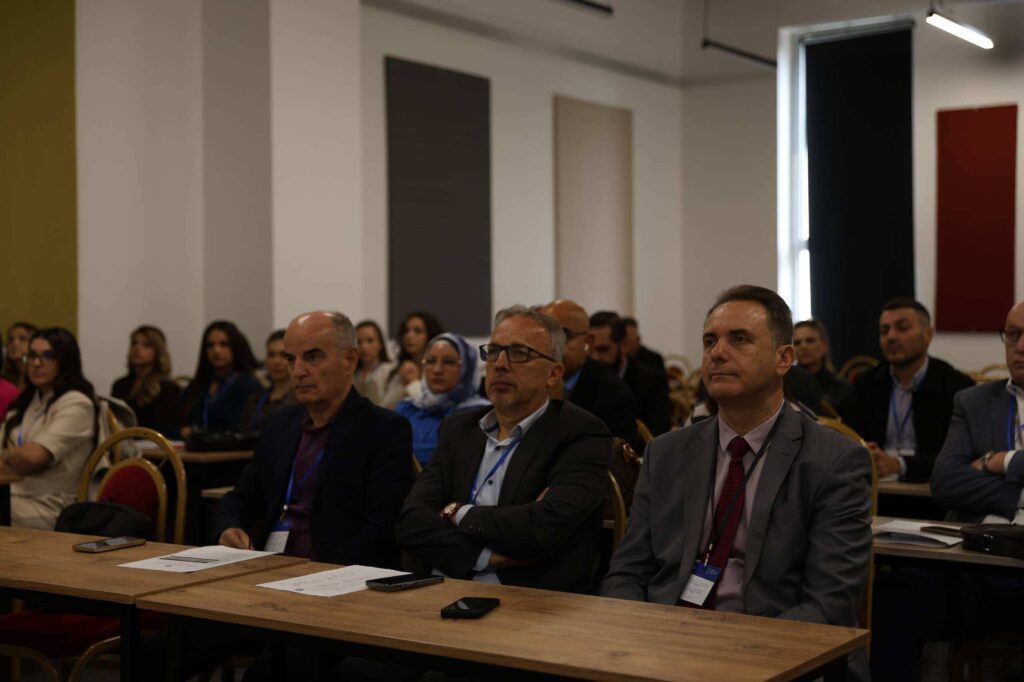
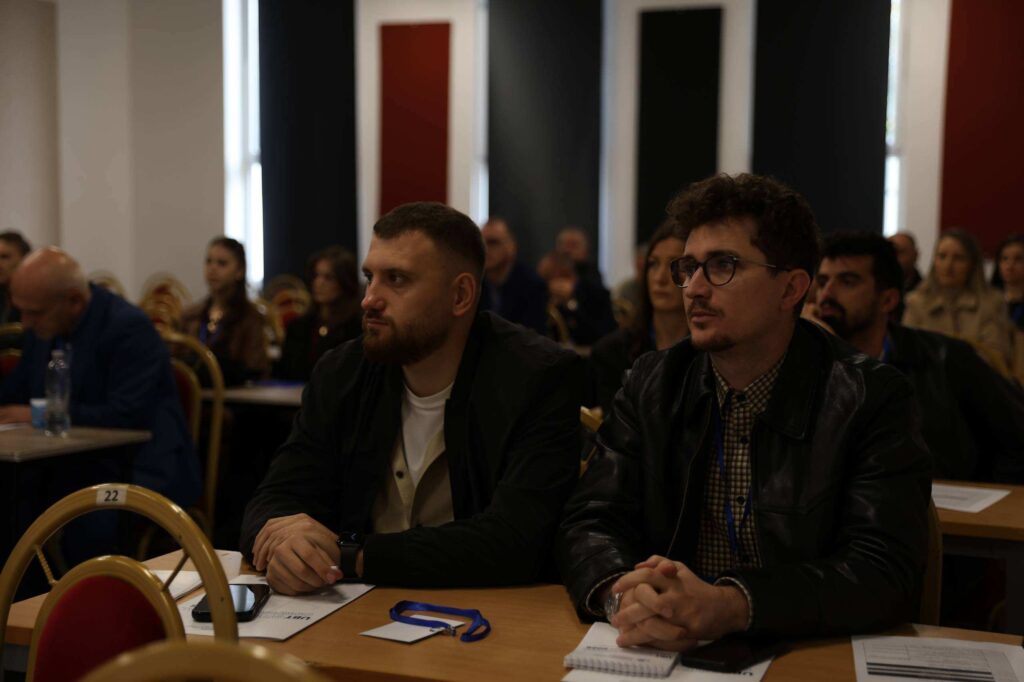
Në kuadër të kësaj konference u prezantuan punimet e hulumtuesve me temat e tyre përkatëse:
- Dugagjin Sokoli, Fitim Alidema, Hajrullah Fejza & Naser Rugova – Knowledge Management in Public Healthcare Institutions: Digital Barriers, Organizational Culture, and Opportunities for Improvement
- Naser Rugova & Blerona Lota – Risk Assessment and Prevention of Type 2 Diabetes Mellitus Using the FINDRISC Questionnaire
- Antigone Kabashi-Sadikaj – Artificial Intelligence in Mammography: Improving Early Detection of Breast Cancer
- Albina Fejza & Diona Xhelili – Investigation of the Antimicrobial Properties of Hedera helix L. Against Pathogenic Microorganisms
- Albina Fejza & Anila Bislimi – Investigation of the Antimicrobial Properties of Mentha piperita L. Against Pathogenic Organisms
- Albulena Fejzullahu & Naser Rugova – Assessment of Nurses’ Knowledge of Diabetic Foot Care Management in Hospitals/Clinics in Kosovo
- Burim Uka, Isak Aliji & Elsa Reckoviq – Opportunities and Needs for Using 3D Printers to Create Vaginal Applicators for Brachytherapy
- Arbnor Ukaj, Naser Rugova & Arjanit Hoxha – Human Resource Management at the Main Family Medicine Center in Prizren and Its Impact on the Quality of Healthcare Services
- Ardiana Hajdari & Diona Rexhepi – Patient-Reported Nursing Care and Postoperative Complications Following Abdominal Surgery
- Abdullah Gruda, Arlinda Demaj Mehmetaj & Migena Tasholli – Association Between Nursing Leadership and Evidence-Based Practice Implementation Among Nurses in Hospital and Clinical Settings: A Systematic Review
- Andrita Kurhasku & Elda Demiri – The Role of Nurses in Identifying and Managing Emergency Situations in the Municipalities of Podujeva and Prishtina
- Ejona Icka, Fiorela Gerbeshi & Hajrullah Fejza – Perceptions of Parents and Health Professionals on Sexual Education in Schools
- Fadil Kryeziu, Agron Bytyqi, Violeta Kryeziu, Sami Gashi & Sejran Abdushi – Assessment of the Quality and Safety of Drinking Water from Artisanal Wells in the Prizren Region, Kosovo
- U. Kryeziu, D. Dragaj, H. Fejza, S. Abdushi & V. Kryeziu – Management and Implementation of Vaccination in Istog
- Fife Krasniqi & Fitim Alidema – Retrospective Assessment of Biochemical Profiles in Patients with Type 2 Diabetes Mellitus
- Filloreta Sallahu, Drita Loshaj, Fitim Alidema & Selvete Loshaj Mecini – Impact of Health Education During Nursing Visits on the Empowerment of New Mothers: A Study in the Municipality of Viti
- Fisnik Laha & Valon Durguti – Beyond the Numbers: Measurement, Reliability and Quality in Modern Health & Laboratory Systems
- Fitim Alidema & Djellza Imeri – Impact of ACE Inhibitors on Serum Potassium Levels and Renal Function in Patients with Arterial Hypertension
- Flutura Zenuni, Arieta Hasani Alidema – Prevalence and Patterns of Furosemide Use in Primary Health Care
- Hajrullah Fejza, Taulant Ahma, Naser Rugova & Fadil Kryeziu – Drug Addiction as a Public Health Challenge
- Hajrullah Fejza, Elvesa Ukaj, Elvira Leniqi & Ejona Icka – Neglecting Children’s Vaccination and the Risk of Return of Infectious Diseases
- Hana Bejiqi, Besmira Morina, Shqipe Agushi, Blend Bejiqi & Rinor Bejiqi – The Role of Microbiome in Pregnancy and Implications for the Developing Fetus and Newborn – A Literature Review
- Joana Hankollari & Nikollaq Leka – Correlation of Cervical Spine Sagittal Parameters with P-A Cephalometric Facial (a)Symmetry Parameters
- Liridona Lahu & Fitim Alidema – Impact of Physical Activity on Mental and Physical Health Among Young Adults
- Lirim Mustafa & Marigona Dushullovci – Stress Management Among Paramedics During Emergency Situations
- Lulzim Thaçi & Eneida Konxheli – Diffuse Midline Glioma in Children: Clinical Challenges and Emerging Therapeutic Directions
- Arlinda Qazimi & Arieta Hasani Alidema – Retrospective Assessment of Blood Glucose Levels and the Effectiveness of Pharmacological Therapies in Patients with Type 2 Diabetes Mellitus
- Medina Rexha & Skender Telaku – Nonprescription Antibiotic Use in the General Population
- Medina Thaçi & Naser Rugova – Impact of Rapid Triage on Clinical Errors and Patient Safety in Prehospital Care
- Mevlan Qafleshi – Quantifying the Cardiorespiratory Health Benefits of Solar Energy and E-Mobility Adoption in Kosovo: The Physics of Transition
- Mërgimtare Begisholli Hasani, Arieta Hasani Alidema & Minire Alilaj Beqiraj – Prevalence of Cesarean Deliveries and Perioperative Drug Use at the General Hospital of Ferizaj
- Migiena Tasholli, Vesa Banushi & Njomza Shosholli-Peja – The Impact of Healthcare Staff Support on the Mental Health of Nursing Students During Clinical Practice and Internship
- Elemdina Musliu & Fitim Alidema – Use of Antibiotics in Septoplasty and Nasal Surgery for Deviated Nasal Septum
- Mimoza Telaku & Skender Telaku – Transabdominal Ultrasound Findings of the Gallbladder in Our Clinical Practice
- Sara Sadiku, Skender Telaku & Mimoza Telaku – Drug-Induced Liver Injury in Gynecological Patients: Diagnostic Challenges in Two Cases of Polypharmacy-Associated Hepatotoxicity
- Fitim Alidema, Leonita Sadriu, Zejdush Tahiri & Flakron Alidema – Analysis of Antibiotic Use in the Treatment of Respiratory Tract Infections in Primary Health Care in the Municipality of Viti
- Arbnor Ukaj, Zamira Qerkezi Ukaj & Doncho Donev – Association Between Human Resource Management Practices and the Quality of Primary Health Care Services: A Cross-Sectional Study in the Primary Health Care System in Prizren, Kosovo
- Vahid Bajrami & Skender Telaku – Organisation and Functioning of Hemodialysis Services at the General Hospital of Prizren “Prim. Dr. Daut Mustafa”: Capacities, Challenges, and Development Perspectives
- Valon Durguti, Eugen Bimbashi & Fisnik Laha – Impact of Energy Drink Consumption on Biochemical Parameters of Hepatic Function (ALT, AST, GGT) in Adolescents
- Arta Mehaj, Gentiana Balaj, Fisnik Laha & Vese Pakashtica – Comparison of ALT and AST Levels in Patients with Alcohol-Related Liver Disease (ALD) and Non-Alcoholic Fatty Liver Disease (NAFLD)
- Zafer Gashi, Fatjona Gashi, Shkelzen Elezaj, Fitim Gashi, Liridon Elezaj, Gentian Elezaj, Fitore Gashi, Gazmend Temaj & Festina Gashi – Specializations in Medical Biochemistry and Laboratory Medicine in the Balkan Countries: Educational Pathways, Professional Qualifications, and Perspectives for Regional Harmonization
- Zafer Gashi, Fatjona Gashi, Shkelzen Elezaj, Fitim Gashi, Liridon Elezaj, Gentian Elezaj, Fitore Gashi, Gazmend Temaj & Festina Gashi – Unusual Parasitological and Microbiological Findings in Urinary Sediment: A Presentation of Three Clinical Laboratory Cases
- Zaim Gashi & Valon Hamza – Rare Case of Acute Haemorrhagic Rectal Ulcer
- Zejnë Buja & Besnik Deliu – Necrotizing Fasciitis in Kosovo: Ten Years’ Experience at the Department of Plastic Surgery of the University Clinical Centre of Kosovo

Inovacionet farmaceutike dhe kërkimet e avancuara shkencore në Konferencën Ndërkombëtare të UBT-së

Inovacionet dhe sfidat e Stomatologjisë moderne në Konferencën Ndërkombëtare të UBT-së

Konferenca e Inxhinierisë së Ndërtimit në UBT trajton tema nga siguria strukturore dhe menaxhimi i projekteve deri te infrastruktura, mjedisi dhe zhvillimi i qëndrueshëm

Ekspertiza mjekësore dhe sfidat e reja shëndetësore në Konferencën Ndërkombëtare të UBT-së

Konferenca Ndërkombëtare e UBT-së “Inclusive Horizons” në fokus të arsimit, gjuhës dhe kulturës në epokën e inteligjencës artificiale

Studiuesit e UBT-së prezantojnë hulumtime mbi sigurinë ushqimore, shëndetin publik dhe zhvillimin e qëndrueshëm

UBT organizon Konferencën Ndërkombëtare të Juridikut, duke vënë në fokus drejtësinë, inteligjencën artificiale dhe integrimin evropian

Konferenca Ndërkombëtare e Psikologjisë në UBT trajton shëndetin mendor, zhvillimin psikologjik dhe ndikimin e inteligjencës artificiale

Inteligjenca Artificiale dhe Siguria Kibernetike në fokus të Konferencës Ndërkombëtare të UBT-së
-

 Lajmet3 months ago
Infantino kërkon falje për gabimet, por ruan mbështetjen e drejtuesve të FIFA-s
-

 Sport3 months ago
Uellsi tërheq mbështetjen për Infantinon, kërkon ndryshim në krye të FIFA-s
-
 Aktualitet3 months ago
Rusia sulmon Ukrainën me raketa balistike dhe dronë: Të paktën 14 të vrarë në Kjiv
-

 Lajmet3 months ago
“Spider-Man: Brand New Day” thyen rekorde, i afrohet miliardit në vetëm pak ditë